Natural innovation for gut health in animal production
AMP-based solutions to help control pathogens and support intestinal balance
What are AMPs?
Antimicrobial Peptides (AMPs)
AMPs are small natural molecules composed of amino acids, found in almost all forms of life, and involved in fighting infections. They possess broad-spectrum activity against bacteria, fungi and some viruses.
They act as a first line of defence rapidly: they bind to the membrane of microorganisms and destabilise it, affecting its structure, thereby producing a bactericidal effect. Furthermore, AMPs strengthen innate immunity, helping the body to respond more effectively to pathogens.
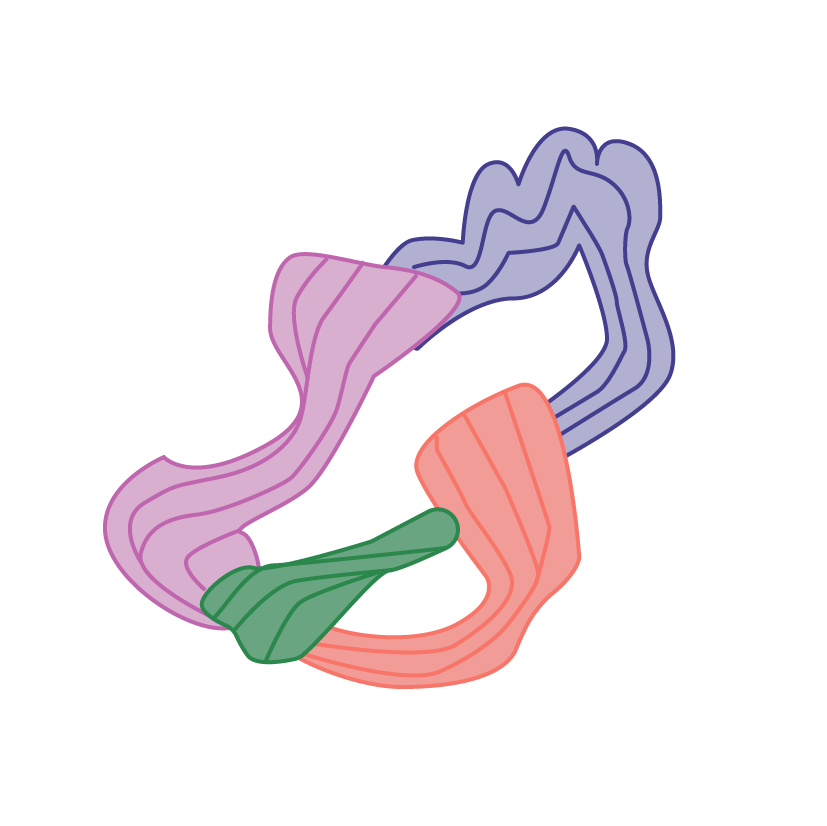
Thermostable peptides include citrocin and surfactin.
Citrocine
Source: Discovery and structure of the antimicrobial lasso peptide citrocin (Cheung-Lee et al., 2019).
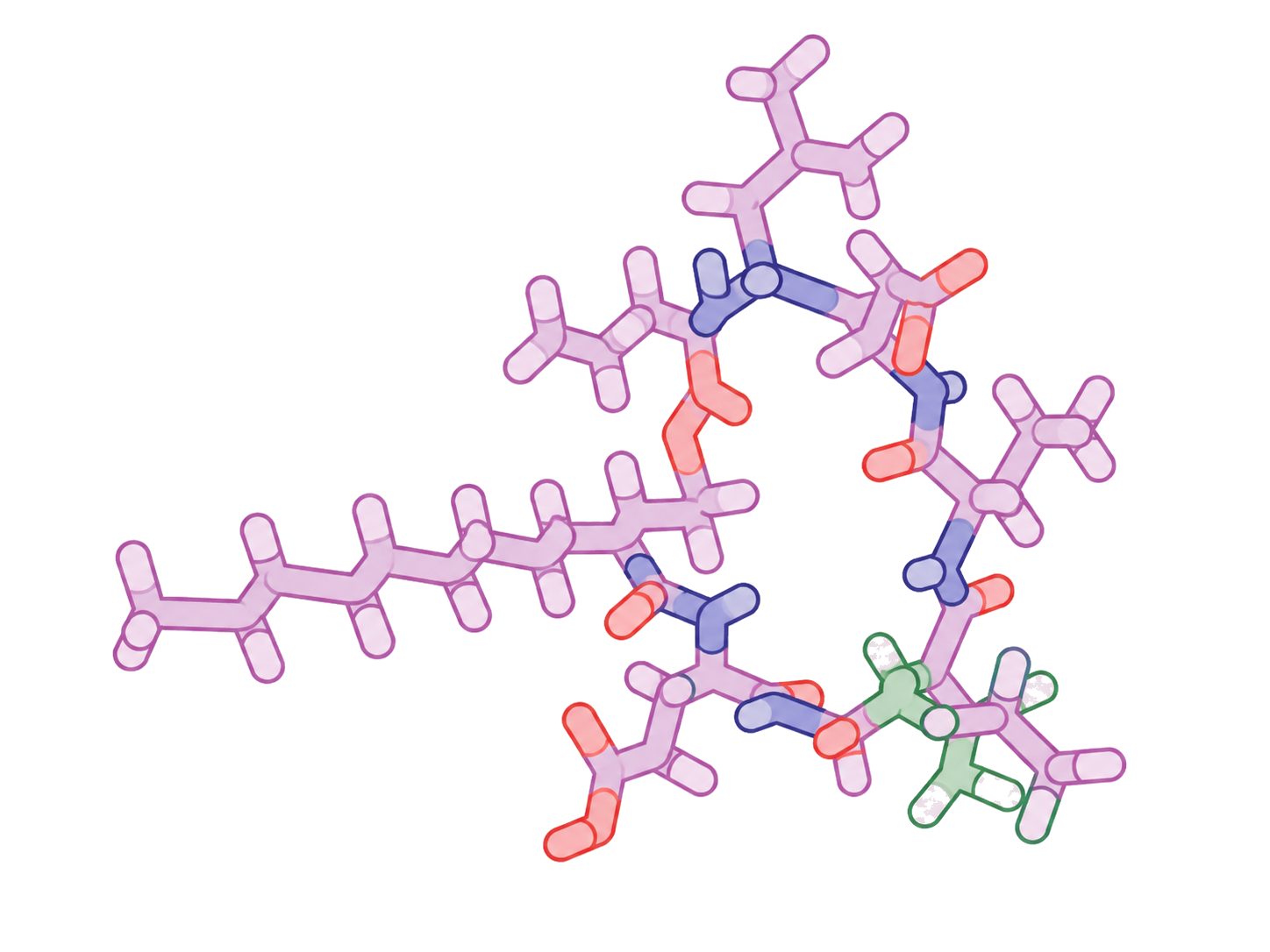
Surfactin
Source: Bacillus licheniformis-Fermented Products Improve Growth Performance and Intestinal Gut morphology in broilers under Clostridium Perfringens challenge (Cheng et al., 2021)
Find feed for all animal species
Products for incorporating AMPs into animal feed
Vet Infeed AMP
Complementary feed for all animal species.
Composition: Sodium sulfate (11.4.6), inactivated yeasts (12.1.5), yeast products (12.1.12), maltodextrin (13.3.6)

Vet Infeed SURF
Complementary feed for all animal species.
Composition: Sodium sulfate (11.4.6), Bacillus subtilis product rich in protein (12.1.10), maltodextrin (13.3.6)
Mechanism of action
The reason behind
its contribution
Antimicrobial peptides act quickly and precisely on microorganisms, helping to control pathogens and maintain gut balance. In the following video, we show you how this mechanism of action works and why it represents an innovative approach to animal nutrition.
Safety of AMPs
Compatible with sustainable production
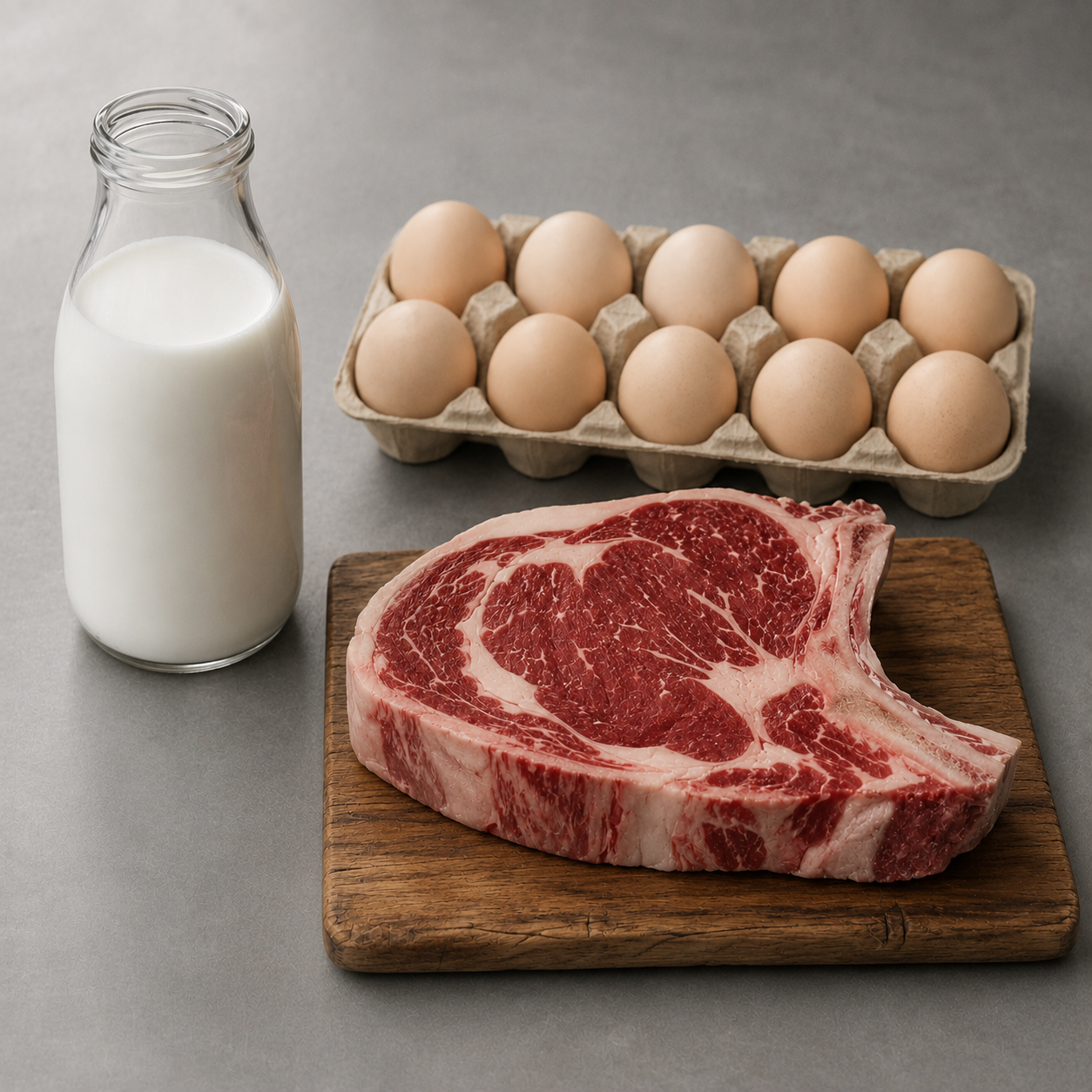
AMPs have a very favourable safety profile in animal production, as they are composed of amino acids and therefore do not produce harmful residues in meat, milk or eggs.
In addition, they are compatible with sustainable production and the “One Health” approach. AMPs are aligned with antibiotic-free feeding programmes and can be easily integrated, as they act synergistically with other alternatives to antibiotic additives. This supports sustainable and environmentally responsible production of animal-derived foods.
Method of administration
Routes of application and guidelines for use
How?
In drinking water or in feed.
How much?
The amount of AMP to be supplemented for each species and growth stage should be determined according to the objective set by the vet, the nutritionist or the production manager.
¿When?
Continuously throughout the entire growth period